
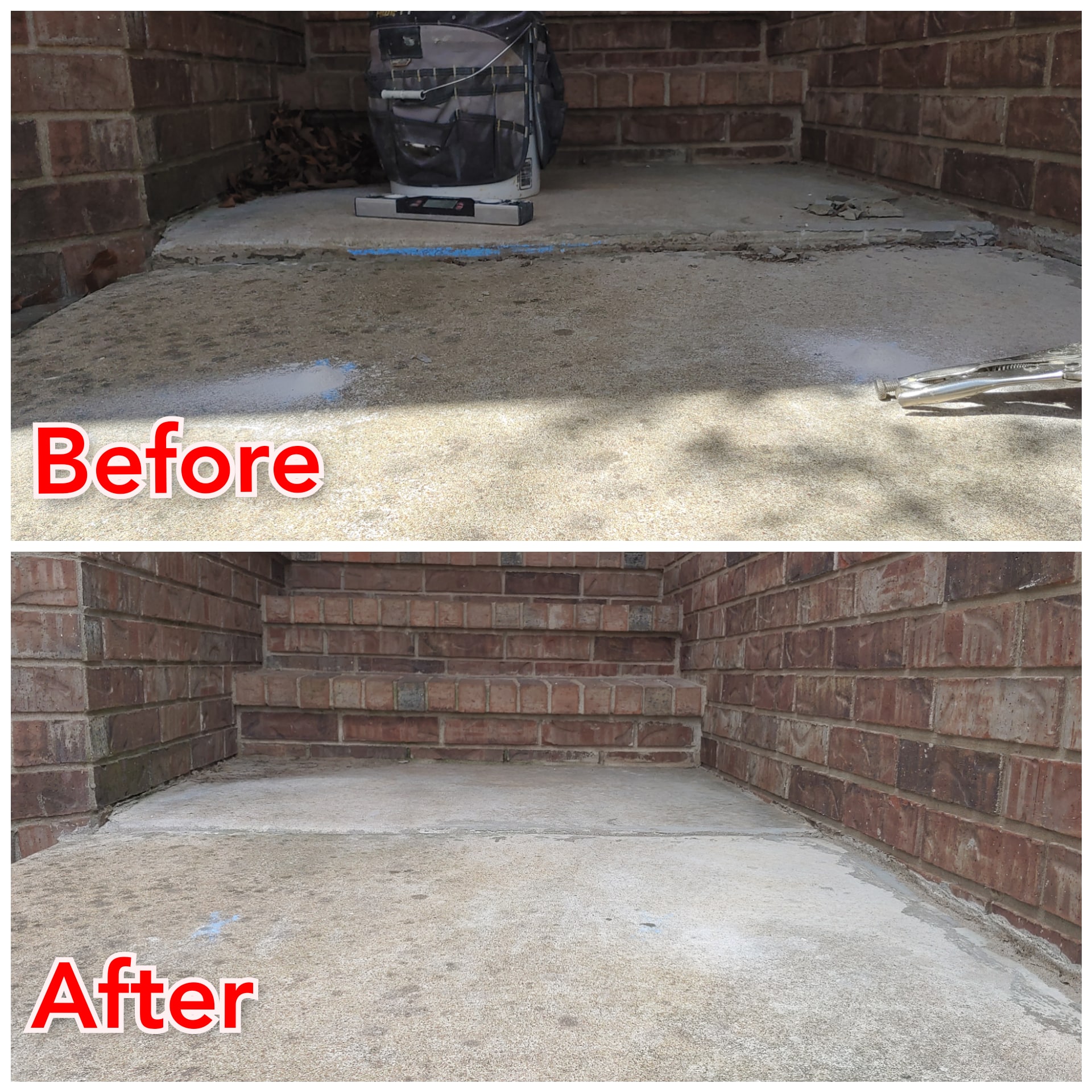
Sunken concrete is a common issue for homeowners. Driveways, sidewalks, patios, and garage floors can all begin to settle over time, creating uneven surfaces and potential safety hazards. While shifting concrete can happen for several reasons, there are steps homeowners can take to reduce the chances of it occurring in the first place.
Understanding what causes concrete to sink and how to prevent it can help protect the appearance, safety, and longevity of the surfaces around your home.
Ensure Proper Drainage Around Concrete
One of the biggest causes of sinking concrete is poor drainage. When water collects around or beneath concrete slabs, it can wash away or weaken the soil that supports the slab. As the soil shifts or erodes, the concrete above it begins to settle.
Making sure water drains away from your driveway, patio, and walkways is an important preventative step. Downspouts should direct water away from concrete areas, and yard grading should encourage water to flow away from your home and surrounding surfaces.
Keep Soil Moisture Consistent
Soil naturally expands and contracts depending on moisture levels. When soil becomes too dry, it can shrink and create empty spaces beneath concrete slabs. These voids leave the concrete unsupported and more likely to sink.
Maintaining consistent moisture levels in the soil around your home can help reduce this problem. This may include watering dry areas during long periods without rain or maintaining landscaping that helps stabilize the ground.
Address Small Cracks Early
Cracks in concrete may seem minor at first, but they can allow water to seep underneath the slab. Over time, this water can weaken the soil below and contribute to settling.
Sealing cracks when they first appear can help prevent water from penetrating beneath the slab and causing further damage.
Avoid Heavy Loads Near Concrete Edges
Parking heavy vehicles or placing large equipment near the edges of concrete slabs can increase pressure on the soil beneath. Over time, this extra weight can contribute to shifting and settling.
Being mindful of where heavy loads are placed can help protect the structural support beneath concrete surfaces.
Maintain Surrounding Landscaping
Tree roots and certain landscaping changes can affect the soil beneath nearby concrete. Large roots may shift soil as they grow, while improperly placed garden beds or irrigation systems may introduce excess water around the slab.
Keeping landscaping well planned and maintained can help reduce these risks.
Address Early Signs of Settling
Even with preventative steps, some settling may still occur over time. Small changes such as uneven sections of sidewalk or slight dips in a driveway are often early warning signs.
At The Concrete Lifter, we use polyurethane foam concrete lifting to restore sunken concrete by injecting expanding polyurethane foam beneath the slab. This process fills empty spaces in the soil and gently lifts the concrete back toward its original position while stabilizing the area underneath.
Protecting the Concrete Around Your Home
Concrete surfaces are built to last for many years, but the soil beneath them plays a major role in their stability. By maintaining proper drainage, addressing minor issues early, and monitoring the condition of your concrete, homeowners can reduce the risk of sinking slabs.
If concrete around your home has already begun to settle, polyurethane foam lifting from The Concrete Lifter offers a modern solution for restoring and stabilizing those surfaces without the need for full replacement.